By Ryan Dailey
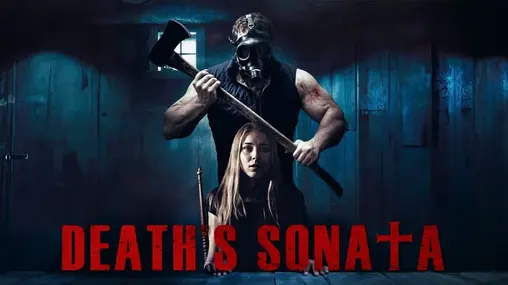
Death’s Sonata is definitely a movie, if only in the loosest terms. It has a runtime of over an hour and forty minutes, which makes it qualify. It has a score, actors and dialog, none of which stay with the viewer after the credits roll, but still categorizes it as a piece of …..cinema.
After an opening like that. I feel that I should address the good thing about the film before delving deeper into the negatives of Death’s Sonata.
That thing would be the direction and cinematography presented in the piece.
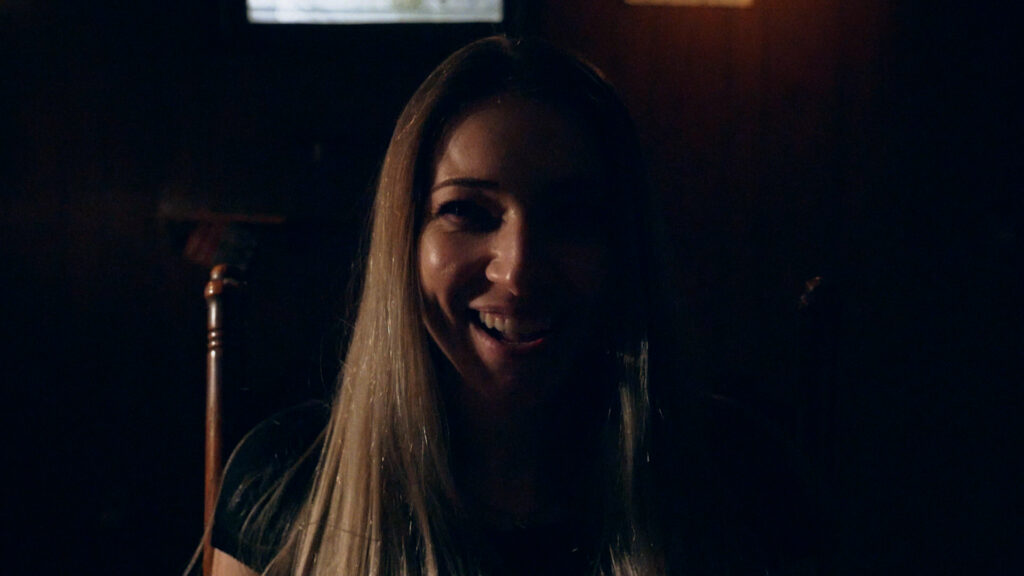
The film screams polished turd as the audience marvels over the direction of the “actors,” the camera placement and the movements throughout the film and the very strategic lighting. It is a great watch for those wanting to study the craft of filmmaking, just focus on the direction and ignore literally everything else going on in this piece of “entertainment.”
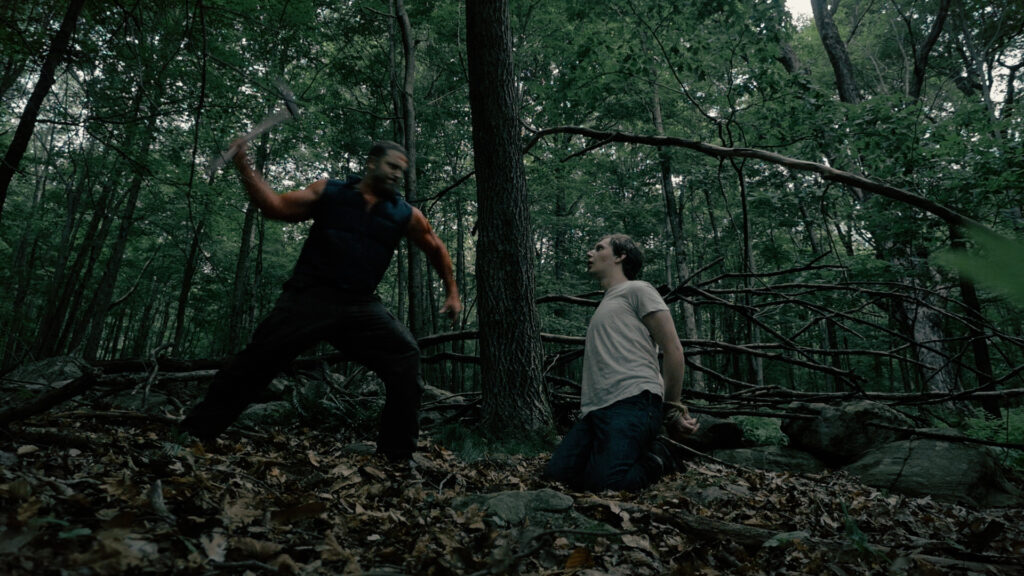
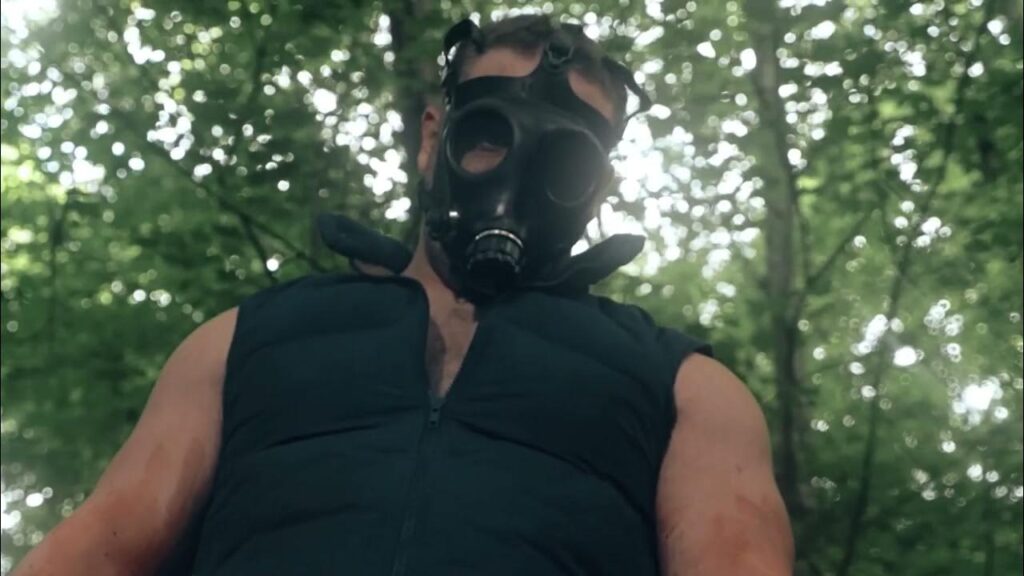
The plot focuses on an aging psychologist who is haunted by the one patient that he could not help. Apparently, The Grim Reaper is on vacation as the afore-mentioned failed patient is killing for the spector to avoid being killed himself.
Okay? Thanks, I hate this plot device.
While this plot is running its course, the good doctor enlists the help of one of his borderline schizophrenic, pill-abusing, untrustworthy, patients to hunt down the killer.
He does so by providing clues to our “hero,” as opposed to the annoying, poorly acted Detective Neil white, brought to “life” by Stephen Maher.
Again, thanks, I hate it.
Douglas Downing III would benefit from realizing that just because the hypothetical paintbrush and canvas is there at his disposal, he should not paint unless he has something to say. For those getting lost with the metaphor, do not make a movie just because you can.
Death’s Sonata is streaming on all digital platforms, including for free on the Roku channel.