By
Mike Lera
From 1896 to 1979, gothic horror fans had seen their fair share of assorted vampire stories and characters on screen, ranging from the scary Bela Lugosi and Christopher Lee to the comedic “Grandpa” from The Munsters and George Hamilton in Love At First Bite. So when the early 1980’s came around, film studios wanted little to do with vampire lore, feeling it had either repeatedly been “staked to death” or that it was just plain silly, and thus, Dracula and anything vampire lay dormant in their coffins for a while. Instead, werewolf movies (a la The Howling and An American Werewolf In London) took center stage during that era.
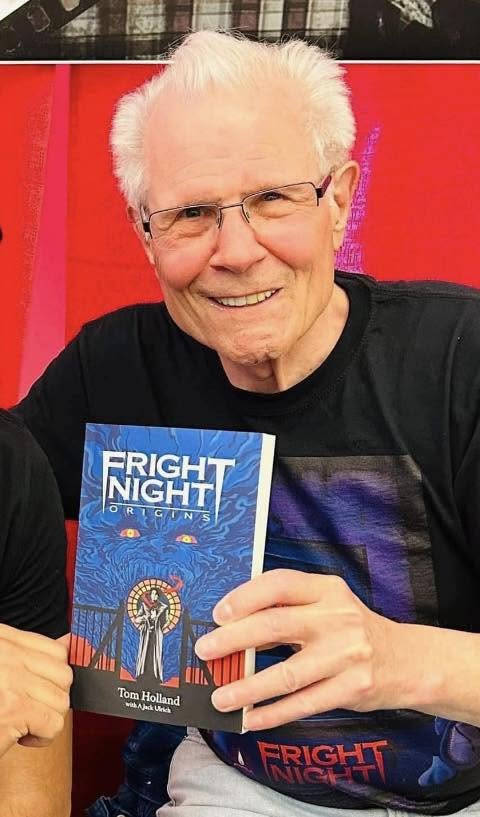
Then, in the mid 80’s, writer/director Todd Holland came up with a genius idea: An unofficial Rear Window remake – only instead of a human killer, it’d be a vampire! The title of this wild, weird little tale? Fright Night.
Of course, Universal Studios had passed on the proposal of Fright Night and, according to Holland, they threw him out of their office as if warding off Dracula with a crucifix. But like a creature of the night, the filmmaker was invited into the next house and eventually Columbia Pictures was happy to produce Holland’s bold and risky brainchild, and in the summer of 1985, Fright Night was released. The end result? A really cool, stylish contemporary take on the nosferatu mythos that had not only helped spawn several other upbeat vampire flicks during the 80’s, including Vamp, Near Dark, Once Bitten and The Lost Boys, but has regularly landed on top-tier lists for over four decades. Aside from having an excellent storyline and awesome practical effects, Fright Night included memorable, stand out characters and dialogue, i.e. the terrifying Jerry Dandrige uttering “Welcome to Fright Night” and the legendary Roddy McDowall playing the quirky “Cushing rip off” Peter Vincent. Or “Evil Ed” Thompson with the slanted crucifix burn across his forehead and his famous line, “You’re so cool, Brewster!”
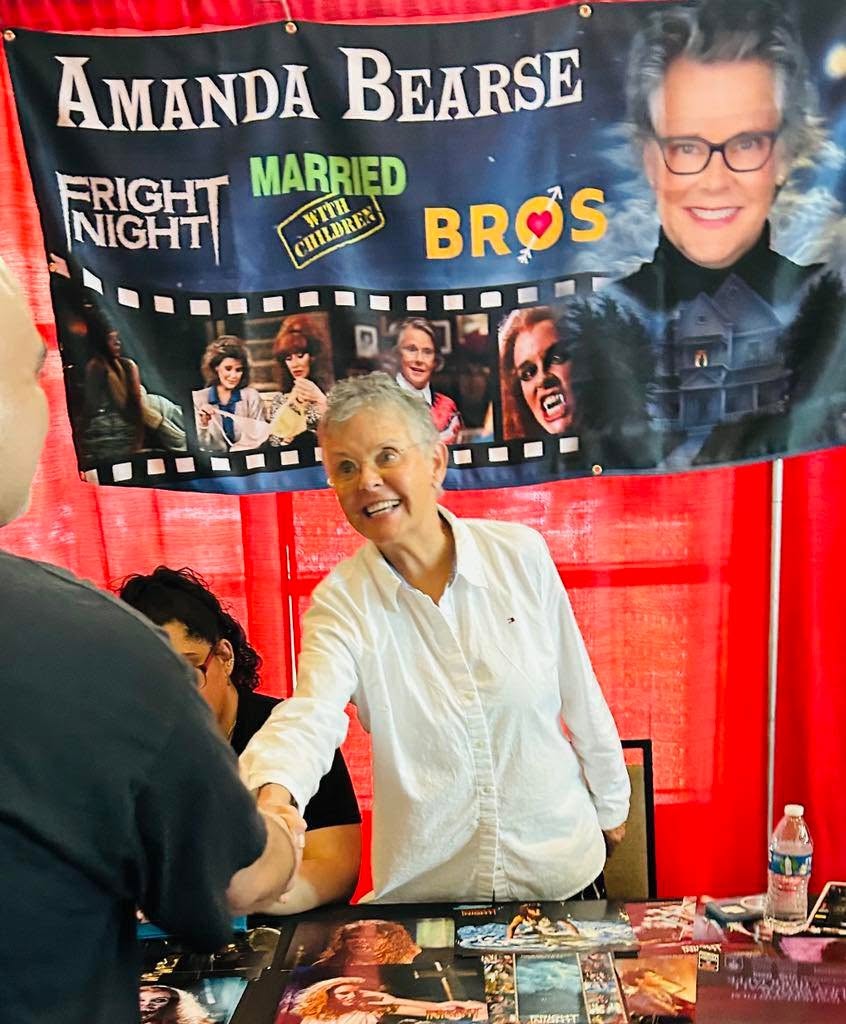
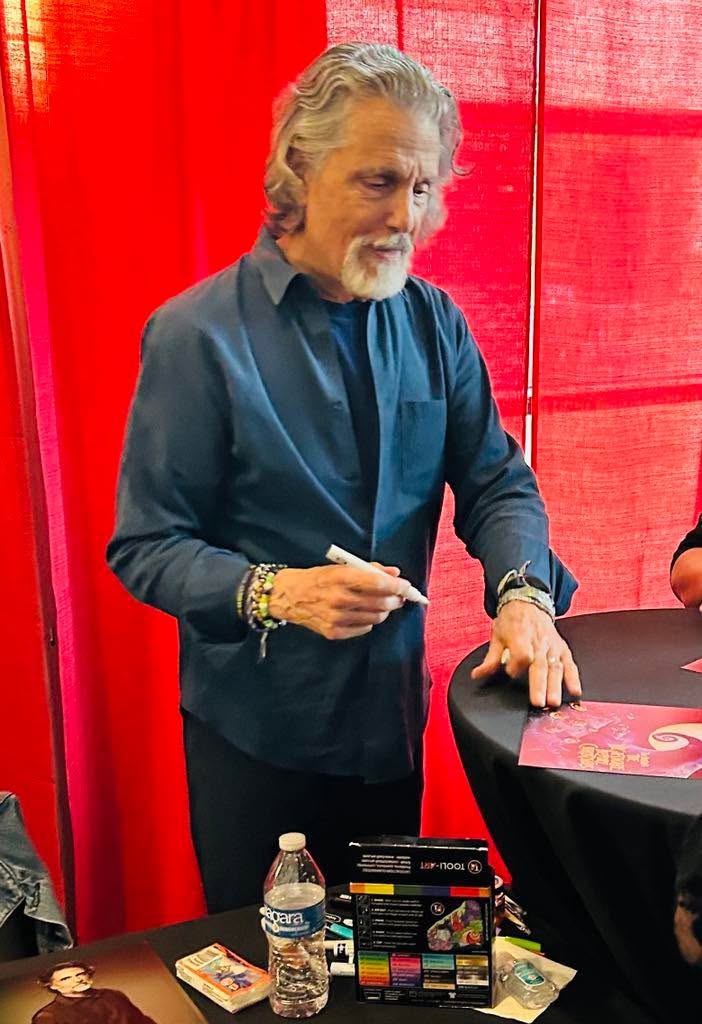
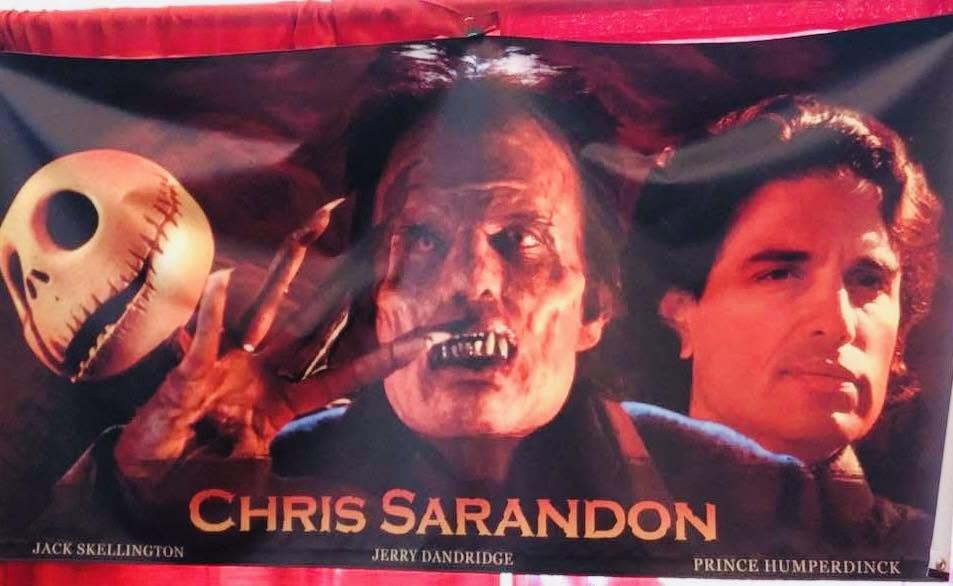
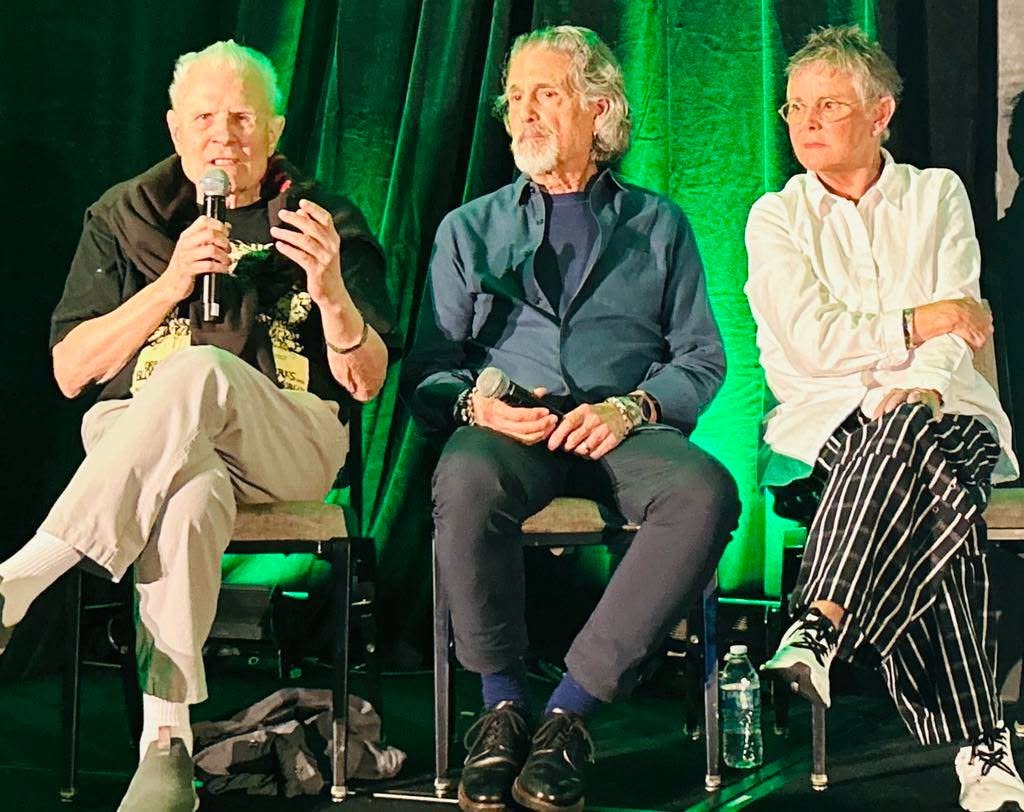
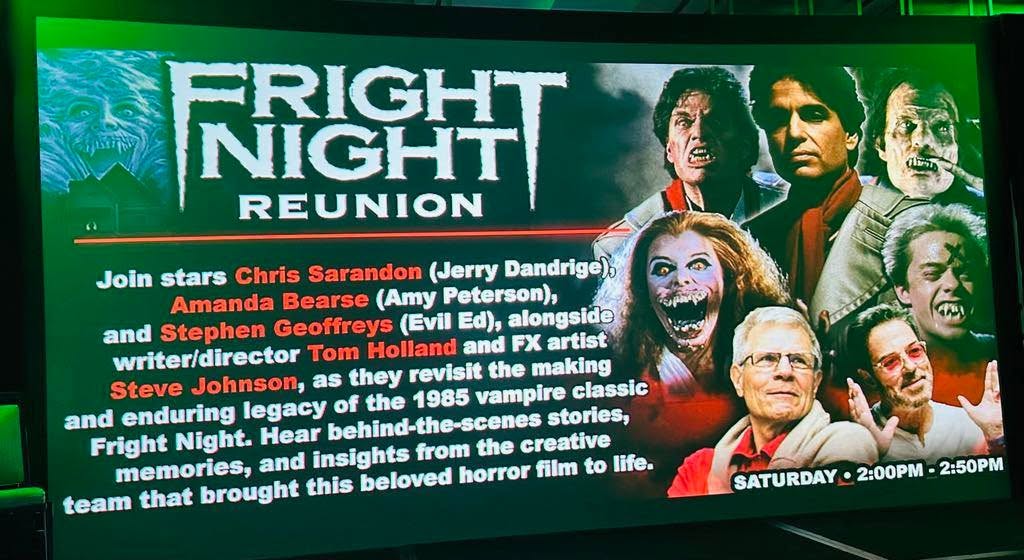
Horror Nation recently visited a Fright Night reunion panel at the ever popular Son of Monsterpalooza Oct.10th that included writer/director Tom Holland, actors Chris Sarandon (“Jerry Dandrige”), Amanda Bearse (“Amy Peterson”), Stephen Geoffreys (“Evil Ed”), and Jonathan Stark (“Billy Cole”), and renowned creature designer/creator Steve Johnson. The cast and crew shared with FN fans their behind-the-scenes memories of making a horror classic, their experiences in working with 80’s practical effects, and their takes on today’s vampire movies.
“Fright Night was made during a time when the vampire genre was dead, dead, dead,” Holland stated. “All they had were satires like Love At First Bite. So I like to think that Fright Night brought the genre back!”
Asked about taking on the iconic role as the charming, yet chilling Jerry Dandrige, Sarandon replied, “I didn’t want to do another horror movie after The Sentinel (jokingly halts applauses). And when I was offered the part as Dandrige, I certainly didn’t want to be involved in something called Fright Night, myself being a classically trained actor. However, whenever I’m offered a role, I’m gonna read the script. After I read the first five pages [of Fright Night], I was in!”
Amanda Bearse, who went on to play “Marcy” in the hit sitcom Married With Children, shared what it was like to play a sweet, gentle “girl next door” character who is spellbindingly seduced by Jerry and becomes one of the most hideous vampire women in horror cinema history.
“It was fun! Looking back, I don’t think I realized how significant it was to have such a nice, yet unusual role that went through lots of changes for a young woman. But I just jumped in to play, because Tom was very generous with the freedom to just do. There’s a genuine joyfulness in this film that people respond to, because it’s a fun ride.”
Special effects and makeup artist Steve Johnson, who had trained and has worked with the best in Hollywood throughout his 45-year career, is well known for popularizing the hideous “vampire face transformation” that has influenced other modern vampire films such as The Lost Boys and Buffy The Vampire Slayer.
“Aside from Max Schreck in [1922’s] Nosferatu who had crazy teeth and a funny-shaped head, other famous vampire actors like Bela Lugosi and Christopher Lee had always remained their suave and elegant selves in all their films,” Johnson explained. “So when I was making Fright Night, I thought, ‘Whoa – what the heck are we doing here, transforming these people?’ Evidently it worked, because almost immediately other vampire films at that time mimicked our idea, and just about every vampire [on screen] since has undergone some form of transformation.”
Geoffreys, who plays a human-turned-vampire subject of Jerry’s who later becomes a werewolf, spoke about his 18-hour makeup prep for a transformation scene that still resonates with horror fans today. “I can’t believe I had the patience to sit through that. But I totally trusted Steve and let him do his magic.” Geoffreys still forgives Steve for accidentally giving him what he thought was cable light jelly to make his fangs shinier but was actually prosthetic adhesive that glued his mouth shut.
Holland, who had a close relationship with the late great Roddy McDowall, shared about their friendship. “Roddy was just a wonderful human being. He would have me and my wife over his house for dinner, and I was able to meet a lot of people in Hollywood who were my heroes. One of the ways that kept him working during all his early years was the great fear he had in going from a child star to an adult actor, so he really worked at it.”
Asked why Fright Night has such an ongoing legacy, Holland offered his thoughts. “I wrote Fright Night as a love letter to horror fans everywhere at a time when there weren’t any horror fans like there are now. It was my affection for the genre and the fact that I was able to season it with fun and humor. There’s lots of love between the characters I was writing, especially the magnetic bond between Jerry and Amy – as though they’ve known each other for centuries.”
“Fright Night was considered a ‘throw away’ movie for Columbia, so they did not interfere with our production. We totally made it ourselves with nobody bothering us! I never had that experience again.”